
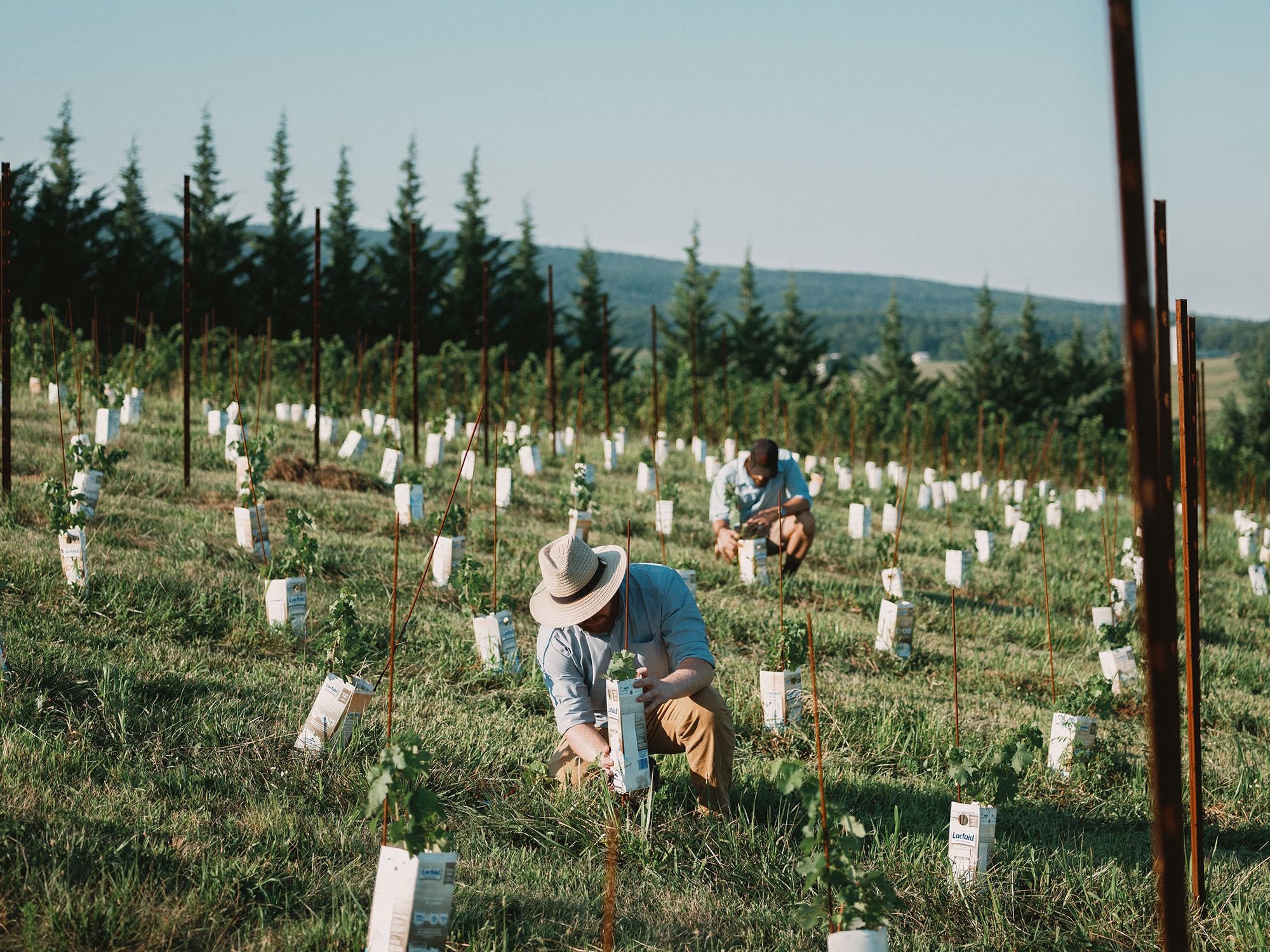

Fractured Catoctin Shale

Terroir is the indefinable alchemy that occurs when many factors (soil, climate, elevation, and people) converge to create notable wine. Our goal with each bottle is to encapsulate a sense of place and produce the best possible expression of the Catoctin Breeze terroir.

We center all of our practices around the belief that great wine begins in the vineyard.
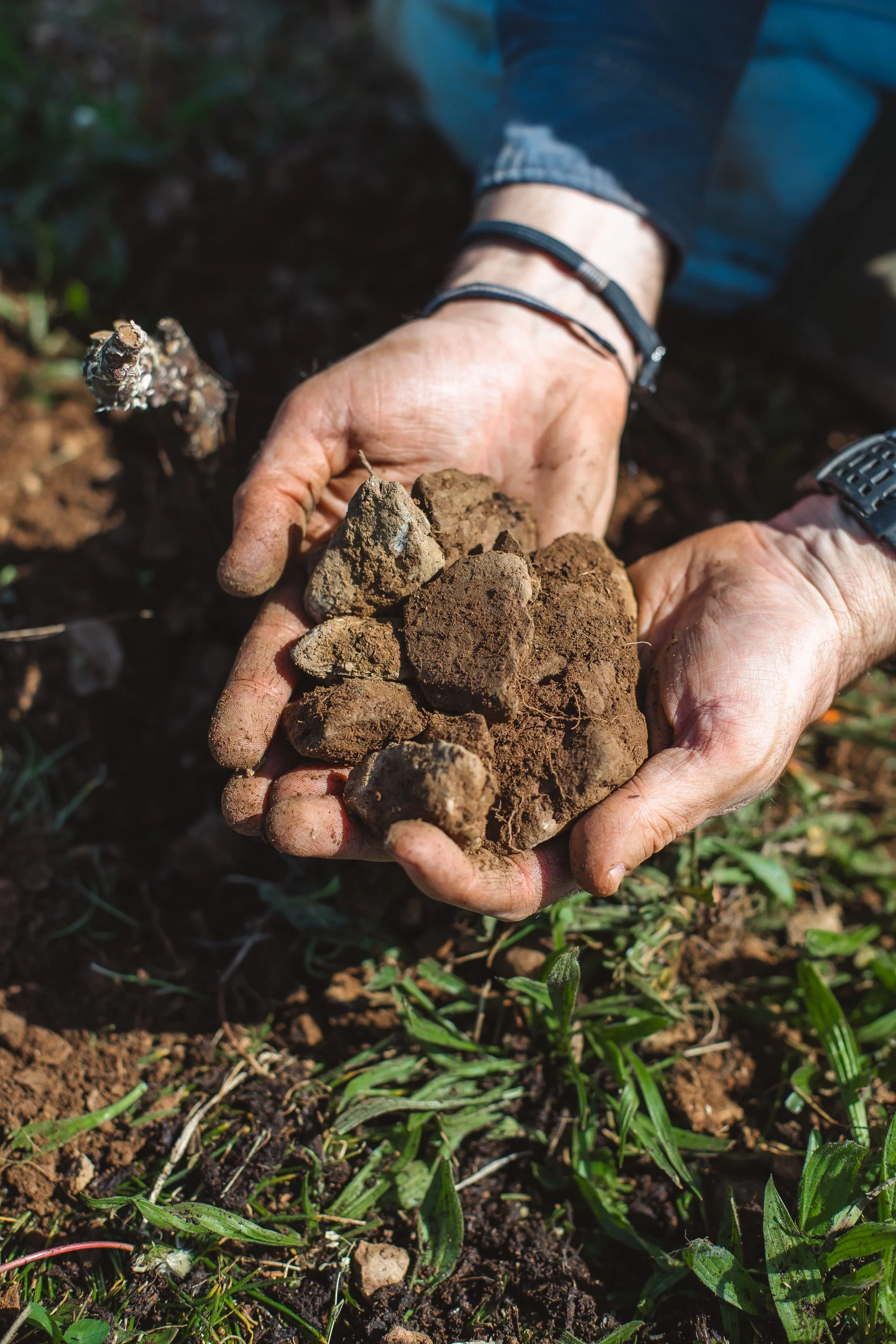

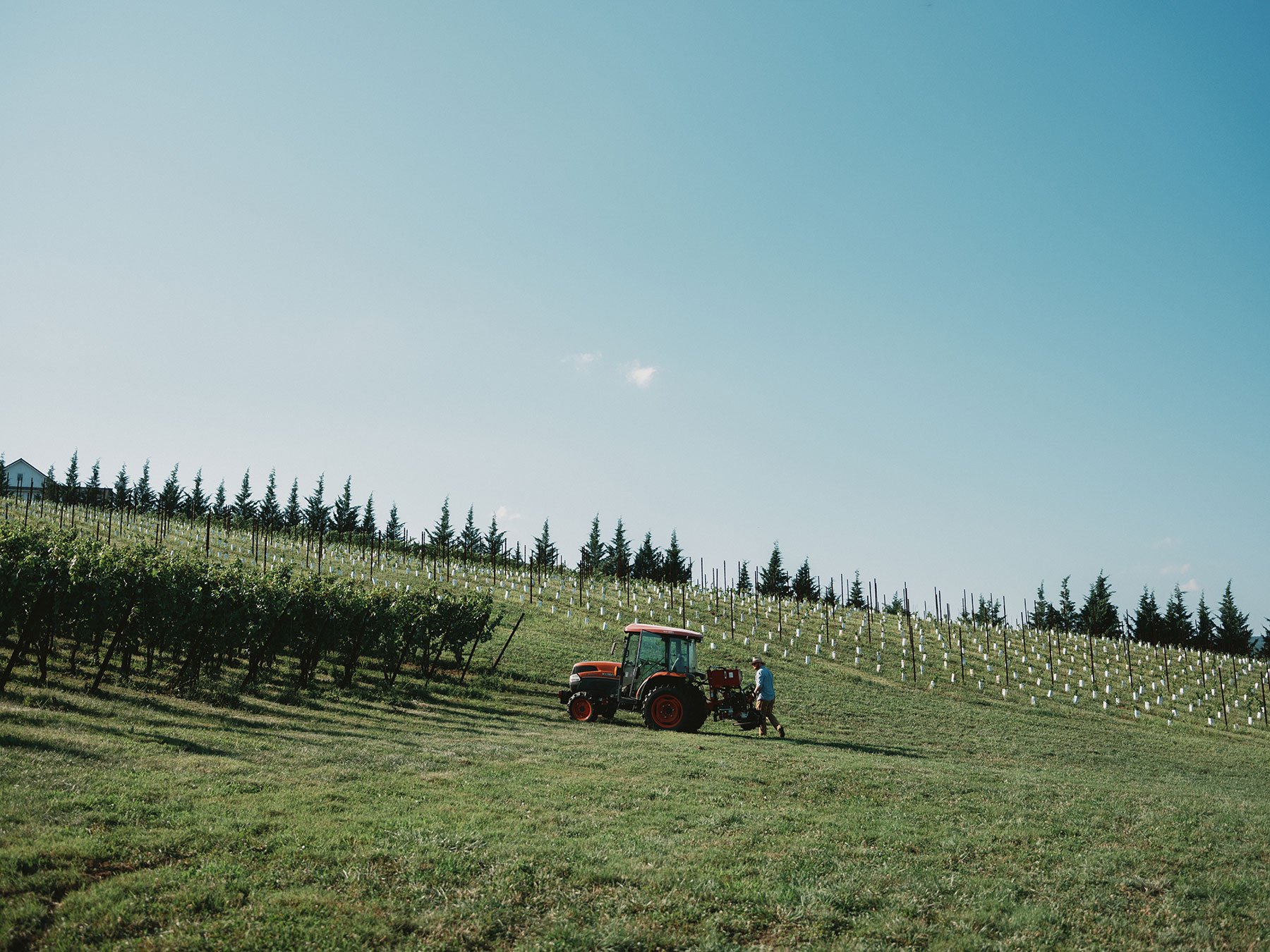
The amphitheater of a hillside on which Catoctin Breeze sits was formed by alluvial soil that eroded over the course of many eons and cascaded down from the Appalachian Mountains. Our vines thrive in this special place, with its mosaic of well drained shale soils, steeply sloping terrain, and an unimpeded breeze from Catoctin Mountain.
In 2006, the Fizyta’s purchased this exposed hillside, where shortly after, the first vines were planted. Catoctin Breeze has adopted what the French call "lutte raisonnée" or reasoned struggle. It means doing everything we can to preserve the natural ecosystems and biodiversity of the vineyard. This idea is predicated upon deploying strategic and proactive practices in the vineyard, which ultimately boost the vine’s own defense mechanisms, allowing the vigneron to limit the use of synthetic chemicals in the vineyard.
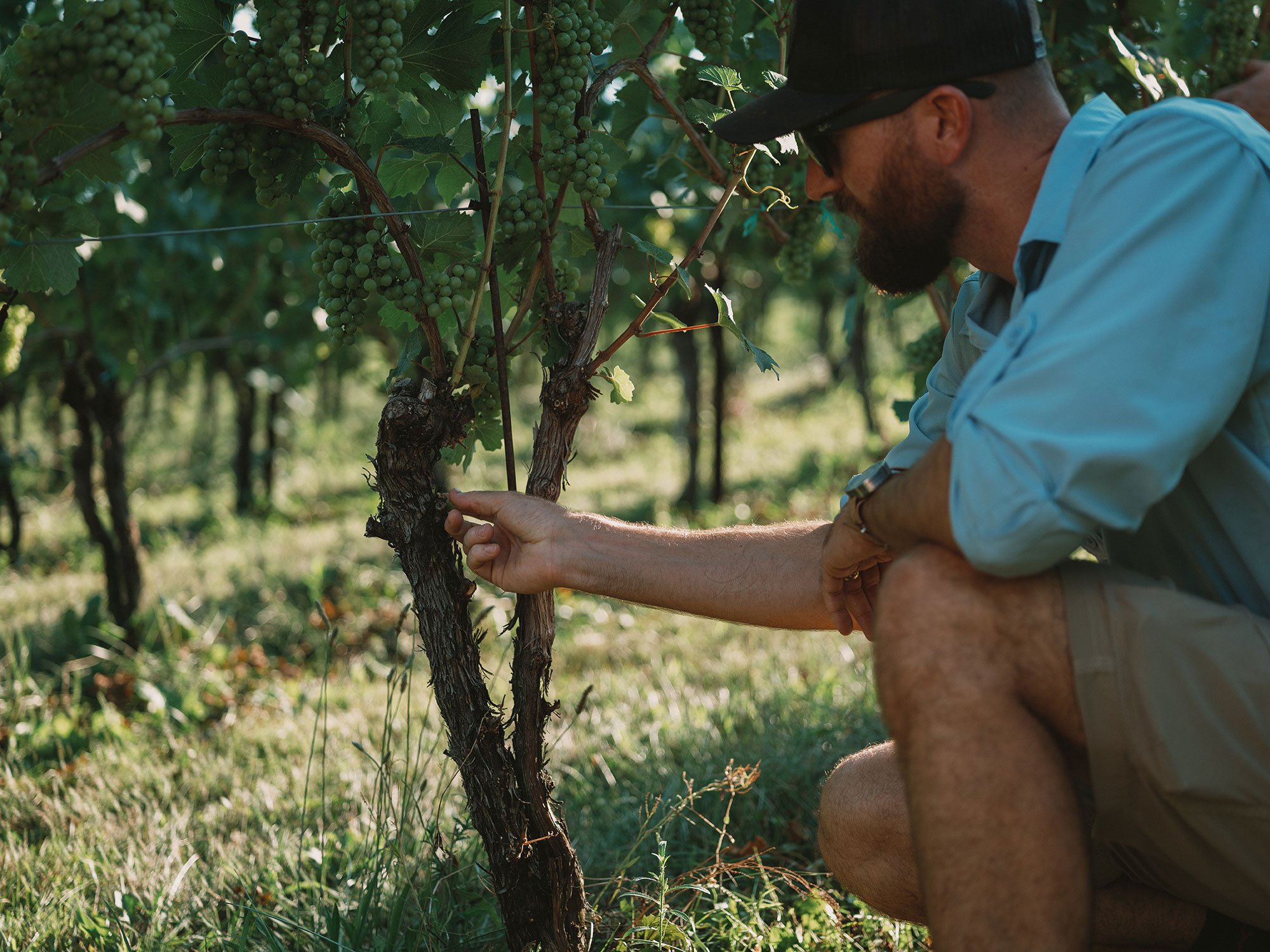
By being 100% dry farmed and herbicide free, we encourage the vines to grow their roots deep into the earth, in search for water and nutrients. This makes the vines more resilient to not only drought, but to wet periods as well. Better harmony and balance achieved in the vineyard ultimately yields more finessed and expressive wines. This we firmly believe in.
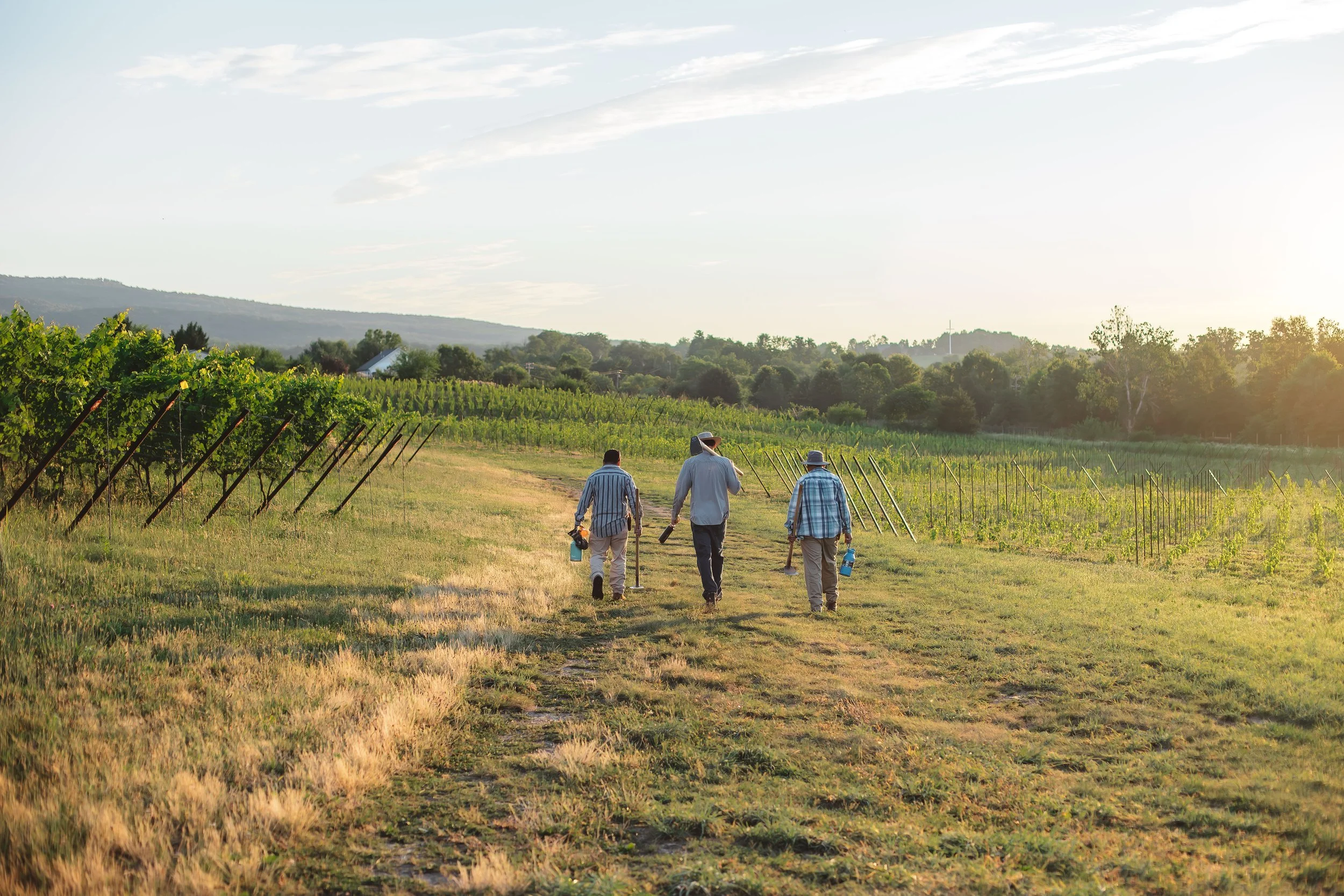
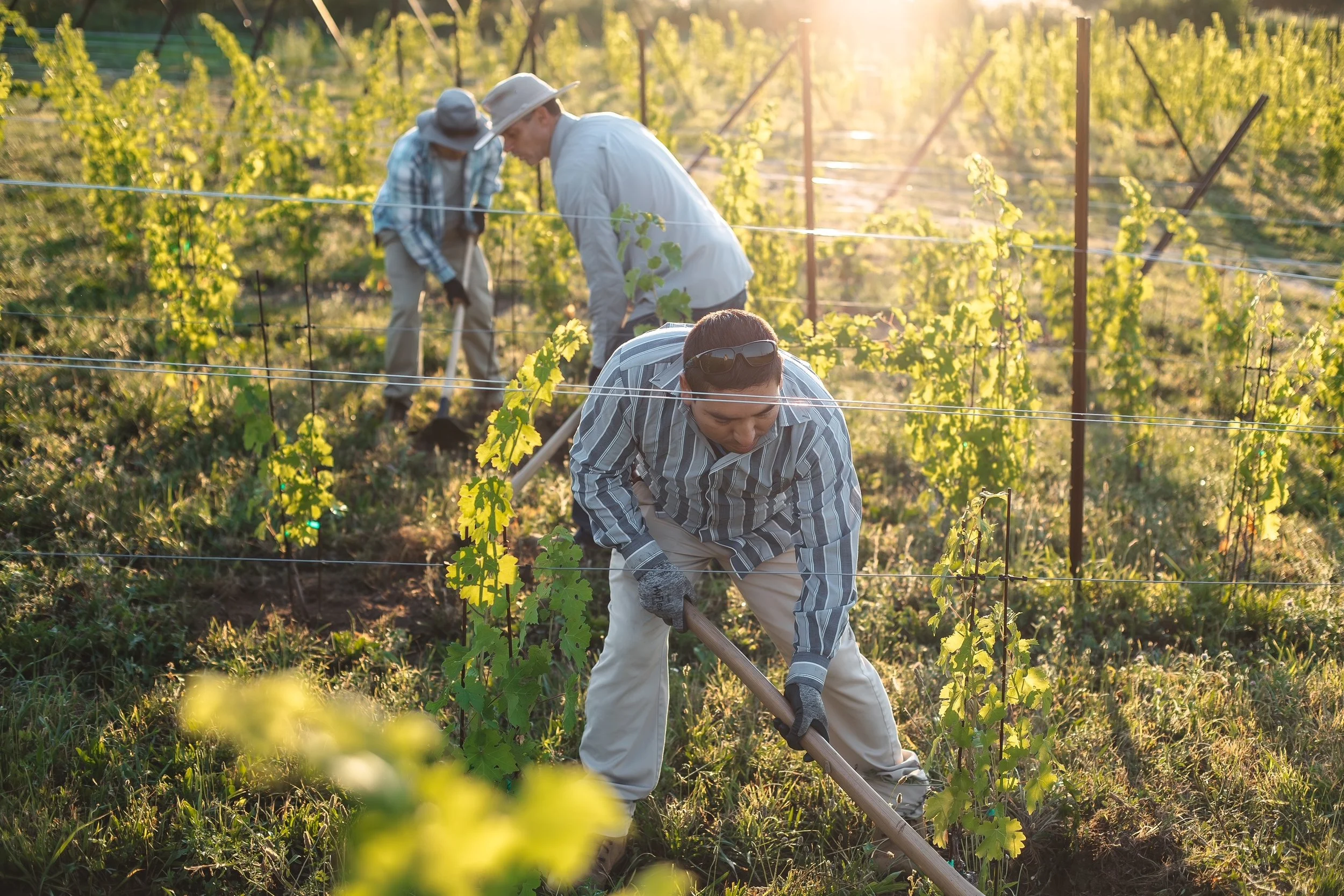
In addition to nature’s gifts, our people are one of the most important elements. Our vineyard crew diligently cares for every single one of our 19,000 vines by hand. The love that they take in their work can be witnessed in the well-manicured vines, or it can be experienced in the glass. For fruit not grown directly on our 10 acre estate, we work closely with neighboring Six Wicket Vineyards, to ensure the same dedication to quality.
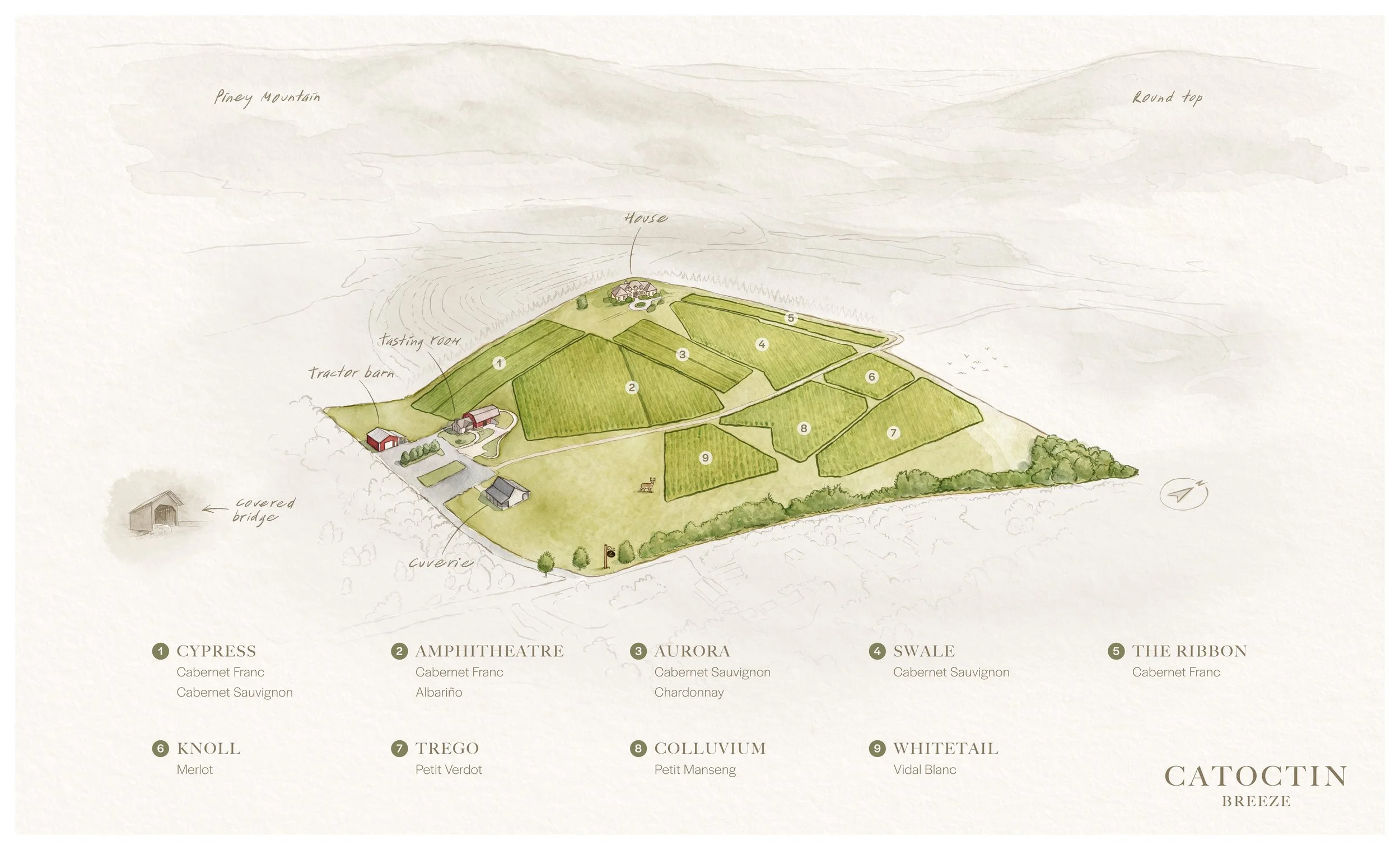
For more information on each vineyard parcel, click here.

Vineyard Design
Catoctin Breeze was analyzed by geologist Ernest “Bubba” Beasley where he performed electromagnetic soil mapping on the entire site to measure soil conductivity, moisture, etc. Soil pits were also dug to observe and analyze top soil, sub soil, rooting behavior, chemical data etc. This information was used to help determine which grape varieties to plant, and where to plant them. Below is the composition: